|
In This Issue...
 |
Filtering Your Pond |
|
|
Feeding Waterfowl at Your Local Pond |
|
|
Health Alert: Botulism |
|
|
Fishing Line Danger |
|
|
Get to know your predators:
The Weasel |
|
|
The Month in Photos! |
|
|
Recommended Reading:
How to Build Animal Housing |
|
|
Reader Poll #8
|
|
Get to Know
Your Predators: The Long-Tailed Weasel
The
long-tailed weasel only weighs about a pound and like
the fisher cat, it is a ferocious and blood-thirsty
predator. They can squeeze through holes as small as an
inch and are notorious for killing entire coops of ducks
if uninterrupted. They tend to do most of their work at
night, but can occasionally be seen during the day.
Healthy rodent populations and access to a water source
tend to lure in weasels. Keep rodents under control to
avoid fostering an environment suitable for weasels. If
you have a lot of hawks, owls and other birds of prey in
your area, they will help keep rodent, and therefore
weasel, populations under control. Cats are an excellent
deterrent; they will hunt rodents and weasels. Remember
to protect your ducks from your cat.
The Month in
Photos!
Digging The Courtyard Pond:
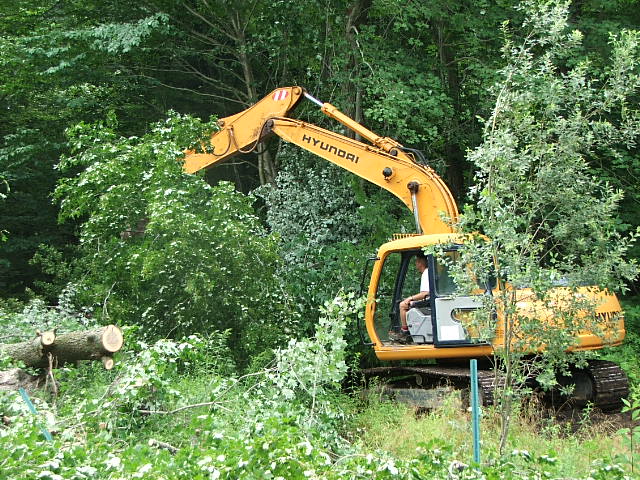
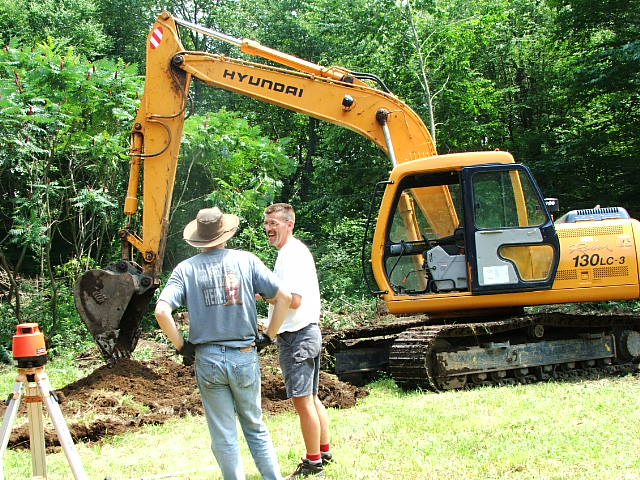
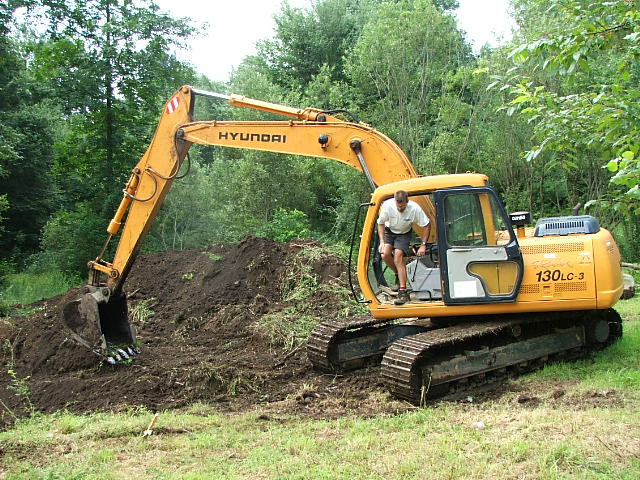
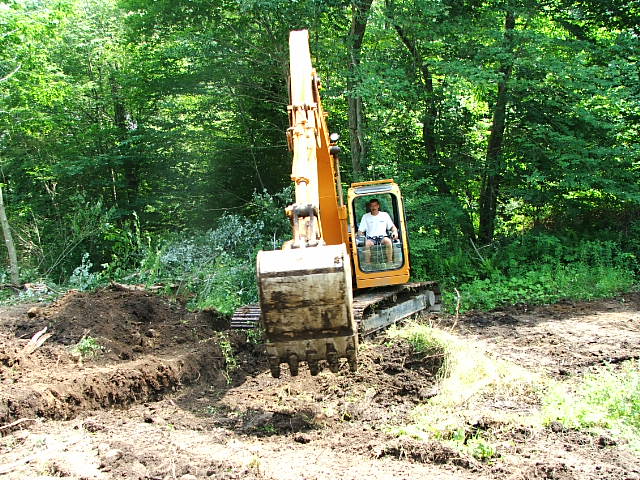
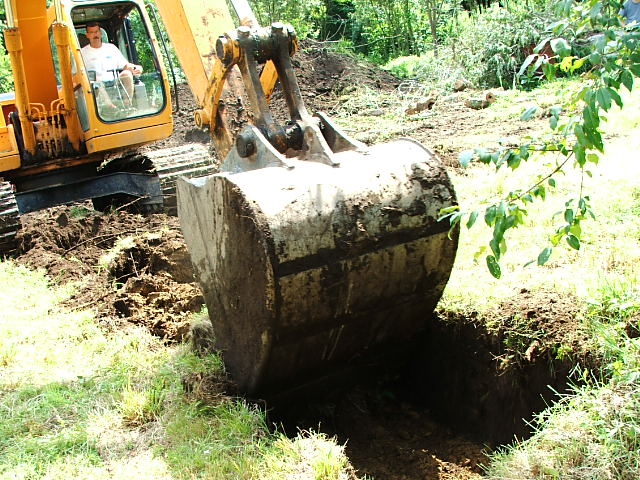
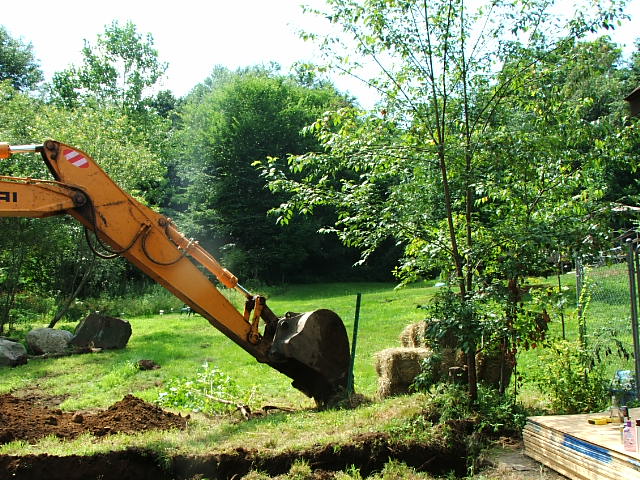
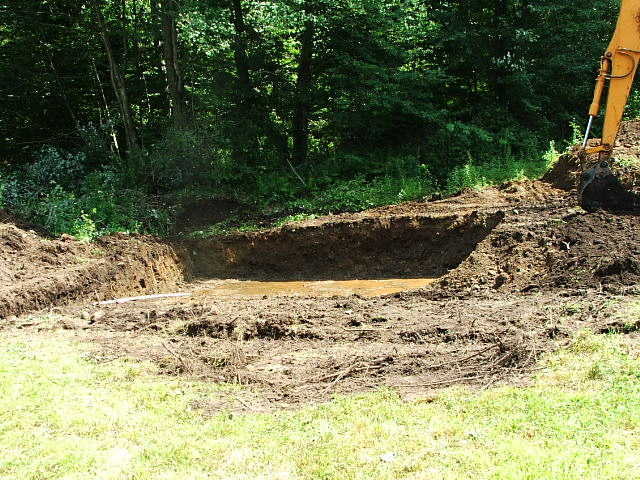
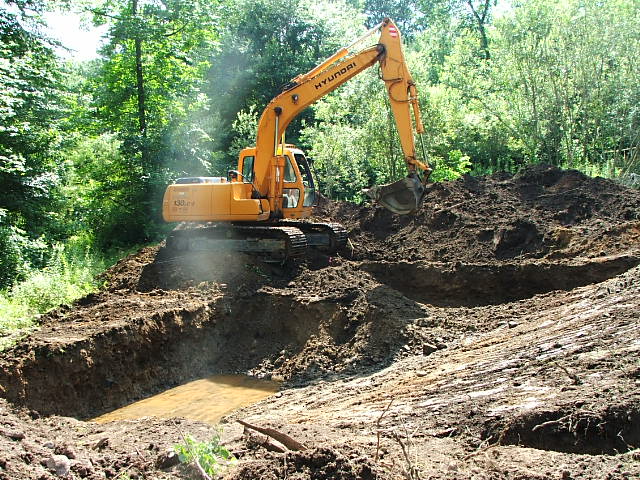
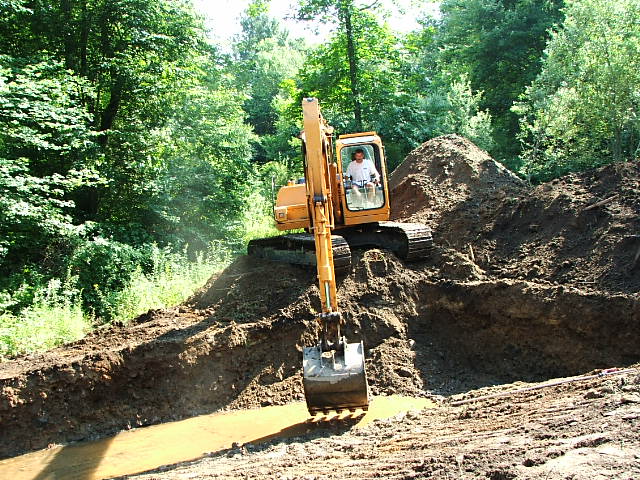
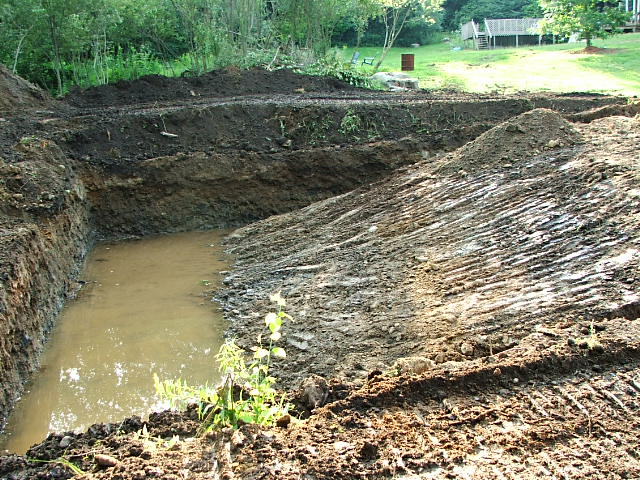
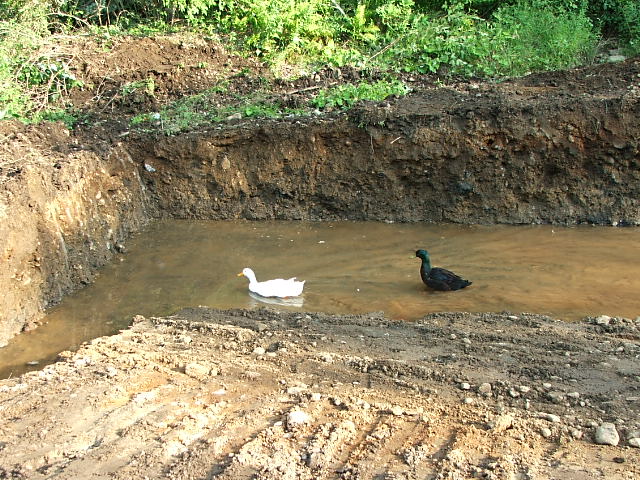

Our little Majestic
Princess!
Recommended
Reading
|
Ordering
information |
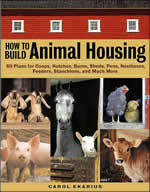
How to Build Animal
Housing
By Carol Ekarius
Book Description
Cows and horses, donkeys
and mules, sheep and goats, pigs and fowl, even llamas are
living on small farms and in backyard barnyards throughout
the United States. But how and where are these critters
being housed?
Author Carol Ekarius knows.
In How to Build Animal Housing, she provides dozens of plans
-- with illustrated, step-by-step instructions -- for
species-specific shelters that are well ventilated, safe,
appropriate for the animals, appealing, convenient, and a
solid value for their owners.
The book is essential
reading for anyone interested in animal health and welfare.
It includes complete plans and step-by-step, illustrated
instructions for sheds, coops, hutches, multipurpose barns,
and economical easy-to-build windbreaks and shade
structures. Ekarius covers new high-tech, portable
structures made of plastics and fabrics, such as hoop houses
and hen spas, as well as more traditional alternatives, such
as straw-bale structures. Always practical, she enumerates
the advantages and disadvantages of ready-to-build kits and
modular barnyard buildings and includes designs for watering
systems, feeders, chutes, stanchions, and more --the
essentials that help owners keep their animals healthy and
happy.
Ekarius wisely emphasizes
the importance of careful planning, choosing an appropriate
housing site, and complying with local zoning regulations;
pest control, basic housing maintenance, and insurance costs
are also discussed. Real-world advice from farmers and
veterinarians on the types of housing and facilities animals
like best enliven the text throughout.
How to Build Animal
Housing is the most comprehensive and useful guide of
its kind. For small-scale farmers, hobby farmers,
do-it-yourselfers, and animal lovers, this book is
indispensable.
Reader Poll #8
Question: How do you
supply bathing water for your waterfowl?
Results of Reader
Poll #7 If you had
the space, would you want multiple drakes in your flock?
|
Yes |
91% |
 |
|
No |
9% |
|
|
|
Depends on
theBreed |
0% |
| |
|
Contact Us
Majestic Waterfowl
Sanctuary
17 Barker Road
Lebanon, CT 06249
directorATmajesticwaterfowl.org
Our Newsletter
The Majestic Monthly is published 12 times per year. Back
issues can be obtained online from our
Newsletter Archives.
|
|
Filtrating
Your Waterfowl Pond
Let’s
face it: Ducks and geese poop a lot -- especially around and in
water. Keeping your human-made waterfowl pond clean can be extremely
difficult. You don’t want unsafe chemicals in your pond that could
harm your waterfowl when they drink the water, neither do you want
them swimming in festering pools of algae and excrement (which can
lead to botulism). So what is the solution?
A friend of ours has
solved the dilemma of keeping his duck water clean and it is
inexpensive and simple to do. His filtration system runs on the same
general principles as a freshwater aquarium tank, only much larger.
Below is a simple diagram describing the system.
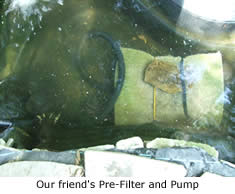
First, you should have
an underwater pre-filter to remove debris like feathers, leaves and
twigs that might clog the pump. Many people suffer failure at this
first step, because ducks usually bring a lot of debris into ponds
with them (nothing beats wetting that yummy grass before you eat
it!). Commercial filters will often clog too quickly, reducing the
flow of water, possibly damaging the pump, and require cleaning so
often that owners give up. The solution to the problem is to wrap
the pre-filter inlet with one inch thick, coarse weave, filter
material. This filter material looks just like the greenie scrub pad
you might use to clean a pot in the kitchen, only larger and thicker
(the coarse stuff is usually white in color). Bungee cord can be
used to secure the filter material around the pre-filter. The
pre-filter and filter material should be cleaned whenever you find
the water flow from the pump is significantly reduced. This is
easily done for both by using a garden hose and is needed about once
each three to four weeks.
Next, you have to be
able to circulate water with a pump. The pump is probably the most
expensive element of the filtration system, and there are many
different sizes and types available. The pump should be, at the
least, large enough to completely pump your pond water capacity once
within two hours; the more the better.
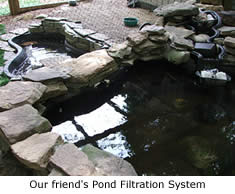
Following the pump, you
should send the water flowing through a series of mechanical filters
and biological media filters. The purpose of the mechanical filter
is to remove leaves, dirt, and feathers. The purpose of the
biological media is to remove chemical impurities like ammonia.
One inch thick, coarse
weave, filter material can be used for the mechanical filter. The
biological media can be as simple as small rocks, or you can pick up
plastic “bio-balls” from most local pet stores that sell fish. Place
the bio-media in a mesh bag and wrap the mechanical filter material
around the bag.
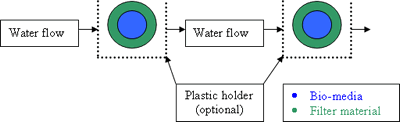
Our friend uses
plastic planters to hold each pass in place. Please note that these
are not underwater. The water flows through each pass, and air and
water mix in each pass. This process is important, because you want
to grow nitrifying bacteria in the bio-media and the bacteria needs
both air and water. These bacteria are very beneficial in removing
ammonia from your pond water and should not be disturbed, so be sure
not to clean your bio-media! On the other hand, the mechanical
filter material should be cleaned whenever you clean your
pre-filter, or sooner if it starts to look ugly.

The number of
passes through filter and bio-media depends on the quantity of water
you are trying to clean. Our friend’s system has four passes and
filters about 350 gallons.
Feeding Waterfowl at Your
Local Ponds
As
we visit our local ponds in search of abandoned animals, we often
see people feeding the wild and domestic ducks and geese. It is
always best to let wild waterfowl forage for their own foods.
Interfering can cause overpopulation issues on ponds as well as
migratory delays. Over population can also lead to an increase in
predators in the area. Feeding can also incline wild animals to lose
their fear of people. You may be a nice person only wanting to warm
their belly, but keep in mind that other people don’t necessarily
share your kind intentions and could use this advantage to bring
harm to the animals.
We do
understand the attraction, especially when children are involved, of
feeding the domestic waterfowl. Domestics do not necessarily have
the instincts to forage properly on their own. If you wish to feed a
domestic duck or goose on a pond at least do right by feeding them
the right thing. There are certain foods that simply should not be
fed to these creatures, or to any animals for that matter.
Bread is never a wise
choice for waterfowl. Ducks and geese can choke on bread, so it is a
dangerous snack—the same is true of popcorn. In addition, if a duck
or goose belly gets filled up with bread, they won’t forage for
bugs, snails and other small creatures that are a needed protein
source. A belly full of bread leads to malnutrition in ducks, which
can cause all kinds of bone, muscle and feather deficiencies.
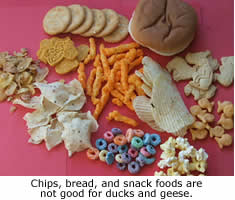
We are always amazed
when we see folks standing at the shores of ponds throwing chips and
snack foods into the water for ducks and geese to eat. None of these
foods belong anywhere in their diets and should never be introduced.
They are not healthy for humans and are just as unhealthy for
waterfowl.
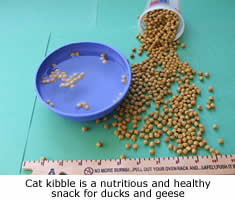
If you are planning a
picnic and cannot resist the urge to feed the waterfowl and do not
have actual duck food on hand, there is a safe and healthy
alternative. Plan ahead and bring some round, floating cat kibble
with you. This is a protein filled snack that is a fantastic
alternative to unhealthy human snack foods. Avoid over feeding
waterfowl; only throw in what the animals will consume right then
and there. It is important that excess food isn’t left behind to
sink and decay.
Where's There's Bread
There's Botulism
Definition
Avian Botulism is
caused by the ingestion of the toxin Clostridium botulinum. Botulism
goes by many names, including limberneck, western duck sickness,
duck disease and alkali poisoning and is ubiquitous in nature. All
birds are susceptible to the toxin (except vultures) but it most
commonly affects chickens, turkeys and waterfowl. There are 7 types
of the toxin, A through G that have been identified. Waterfowl are
commonly affected by the type C toxin.
Field Signs
Botulism is commonly
found in shallow water and wetlands overlying limestone and alkaline
water. The toxin is fairly heat tolerant and can remain viable for
years in spore form. The toxin requires dead organic matter and an
anaerobic environment to thrive. The presence of decomposing
vertebrates and invertebrates, rotting vegetation, poor water
quality and high temperatures are contributing factors in a botulism
outbreak. Outbreaks frequently occur at local park ponds where
there is a mixture of wildfowl and abandoned domestic waterfowl that
are being fed inappropriate foods such as bread, pizza crusts,
donuts, popcorn, etc. The uneaten foods will sink, decay and
contract the toxin. During the summer months (July through
September) water levels will fall and reveal toxin-infested, rotten
food. Waterfowl then consume the decaying organic material and
become infected.
Symptoms
Signs of infection
can appear within a few hours after ingesting the toxin but can take
up to a few days. Clostridium botulinum affects the peripheral
nervous system. Birds display a progressive loss of control of legs,
wings, neck and eyelids. As paralysis progresses, birds lose their
ability to hold their head erect and can easily drown. Severely
affected birds appear to be in a coma. If left untreated, most
visibly affected birds will die.
Control
If a botulism
outbreak is suspected that involves wildfowl, it is important to
notify state wildlife agencies as well as the US Fish and Wildlife
Service. If only domestic birds have been affected, notify the US
Department of Agriculture. A wildlife rehabilitator licensed to
treat migratory birds should also be contacted. All affected birds
must be removed from the site and admitted to a rehabilitation
facility. Steps should be taken to prevent additional birds from
being exposed to an infected site.
Treatment
Treating birds
affected by botulism has commonly been viewed as time consuming,
expensive and not worthwhile. However, attempts to rehabilitate
infected birds have been successful. An anti-toxin is available but
is difficult to obtain. The treatment protocol used by many
rehabilitators involves an initial dose of Toxiban (an activated
charcoal suspension) followed by intensive fluid therapy. Birds
receive oral fluids to flush the toxin from their system every few
hours until they are able to maintain head carriage, at which point
they are given access to fresh water.
Prevention
The best response to
a botulism outbreak is to prevent it from occurring. Monitor local
park ponds where abandoned domestic waterfowl reside and monitor
their condition. Educate people about the dangers of feeding
waterfowl: bread breeds botulism; feeding tames wildfowl and renders
them non-migratory; feeding typically tapers off in the cold months
and leaves non-migratory birds to starve to death. If you maintain
your own flock of domestic fowl, keep their feed fresh and their
water clean.
Article By:
Michele Goodman
Webbed Foot Wildlife Rehab Clinic
Ambler, PA
Sources:
U.S. Fish and
Wildlife Service. Field Manual of Wildlife Diseases.
Ritchie, Branson
W., Harrison, Greg J., and Harrison, Linda R. Avian Medicine:
Principles and Application. Wingers Pub., 1994.
The Horrors of Fishing
Line
When
you are fishing, do not cut your lines. Fishing line left in ponds
is unmerciful to wildlife. Rehabbers are continually
catching ducks, geese, swans and other waterfowl tangled in fishing line. The line
embeds itself into legs, wings and even gets swallowed. It has
horrifying results on animals causing serious infection, loss of
limbs, needless suffering and most often ends in death without
intervention.
Reeling in your
fishing line takes longer than pulling out your scissors, but the
hazard you prevent is worth the few extra minutes. If you are going
to fish; please do so responsibly and make every effort to retract
your line properly.
|