|
In This Issue...
 |
Broody Ducks and Naughty Drakes |
|
|
Testing an Urban Legend |
|
|
The Month in Photos! |
|
|
Get to Know Your Predators: Northern Goshawk |
|
|
Recommended
Reading:
Quackadack Duck |
|
|
Reader Poll #16
|
|
Get to Know
Your Predators: Northern Goshawk
The
Northern Goshawk weighs anywhere between 1½ to 3 pounds, and
they are ferocious killers.
While most
hawks hunt over open areas, goshawks tend to hunt within
forests, flying beneath the canopy in pursuit of prey.
Reader Poll
#16
Question: Which
Pekin is your favorite?
Results of Reader Poll #15 What are
some of your favorite movies that feature ducks, geese, or
swans in lead, supporting, or cameo roles?
|
Fly Away Home |
66% |
 |
|
Winged Migration |
17% |
|
|
|
Babe |
17% |
|
|
Recommended Reading*
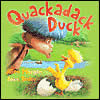
Quackadack
Duck
By
Allen Morgan
|
Ordering
information |
Description:
Troll doesn't
care for being nice. All he wants is to be left alone to count his
precious pennies. But while out walking, Troll meets a newly-hatched
duck who thinks Troll is his mother and follows him home. "Quack
quack quack. Quackadack quack," says the baby duck. Taking pity,
Troll eventually agrees to give him a home.
One evening
Troll slips out to steal some more pennies and Quackadack Duck
follows behind. The young duck is quickly snatched and locked up by
an opportunistic store owner. Troll tries to free his friend from
the cage, but the only way is to buy him back. Not keen to part with
his pennies, Troll returns home alone.
After a
troubled night Troll resolves to spend his money and liberate his
friend. But the cage is empty -- Quackadack is gone! In a state of
despair, his heartstrings tugged, Troll donates his pennies to a
little girl wishing to free another duck from the store. On
returning to his hole, who should Troll meet but Quackadack Duck!
His friend learned the art of escape by watching Troll.
In this comical
and heart-rending tale Allen Morgan creates characters that children
identify with and scenes they find hilarious.
|
* |
For
our full recommended viewing/reading list, click
here. If you order from
Amazon.com by way of our web site, Majestic receives a
portion of the proceeds! |
Contact Us
Majestic Waterfowl
Sanctuary
17 Barker Road
Lebanon, CT 06249
directorATmajesticwaterfowl.org
Our Newsletter
The Majestic Monthly is published 12 times per year. Back
issues can be obtained online from our
Newsletter Archives.
|
|
Broody Ducks and Naughty
Drakes
Spring
is here! And most of our incoming questions are concerned with
broody hens and misbehaving drakes. Here are a few tips to ease you
through the season
Hens
If your hen is broody
and wanting to sit on eggs that you don’t want her to hatch out,
then we have a few recommendations.
- Remove her daily
egg. She may get angry or upset, but, she will soon move onto
other activities. This is the tactic we use here at Majestic and
the hens here are all very happy. They never get broody or
attached to their eggs and they continue with their normal
routine. We highly recommend this strategy.
- If you haven’t
the heart to take away her eggs and you have drakes on the
premises, remove her first egg, use a marker to write the date
on the egg, then, addle the egg (shake the egg vigorously) and
place it back in the nest beneath her.
After laying her second egg, mark the date on it and shake it
vigorously and return it to the nest as well and then re-shake
the first egg again. Continue to do this routine until she stops
laying additional eggs or until you think her nest is full
enough.
Although addling the egg should prevent an embryo from
developing (even in a fertilized egg), we highly suggest
following up this tactic with a visual inspect. Candle the eggs
(hold them up to a flash light in an otherwise dark room) and be
sure you don’t see any red veins forming on the inner side of
she shell, or any small dark and moving areas forming inside of
the egg. If you see this, immediately remove the egg from the
nest and place it in your freezer for 24 hours and then discard
it.
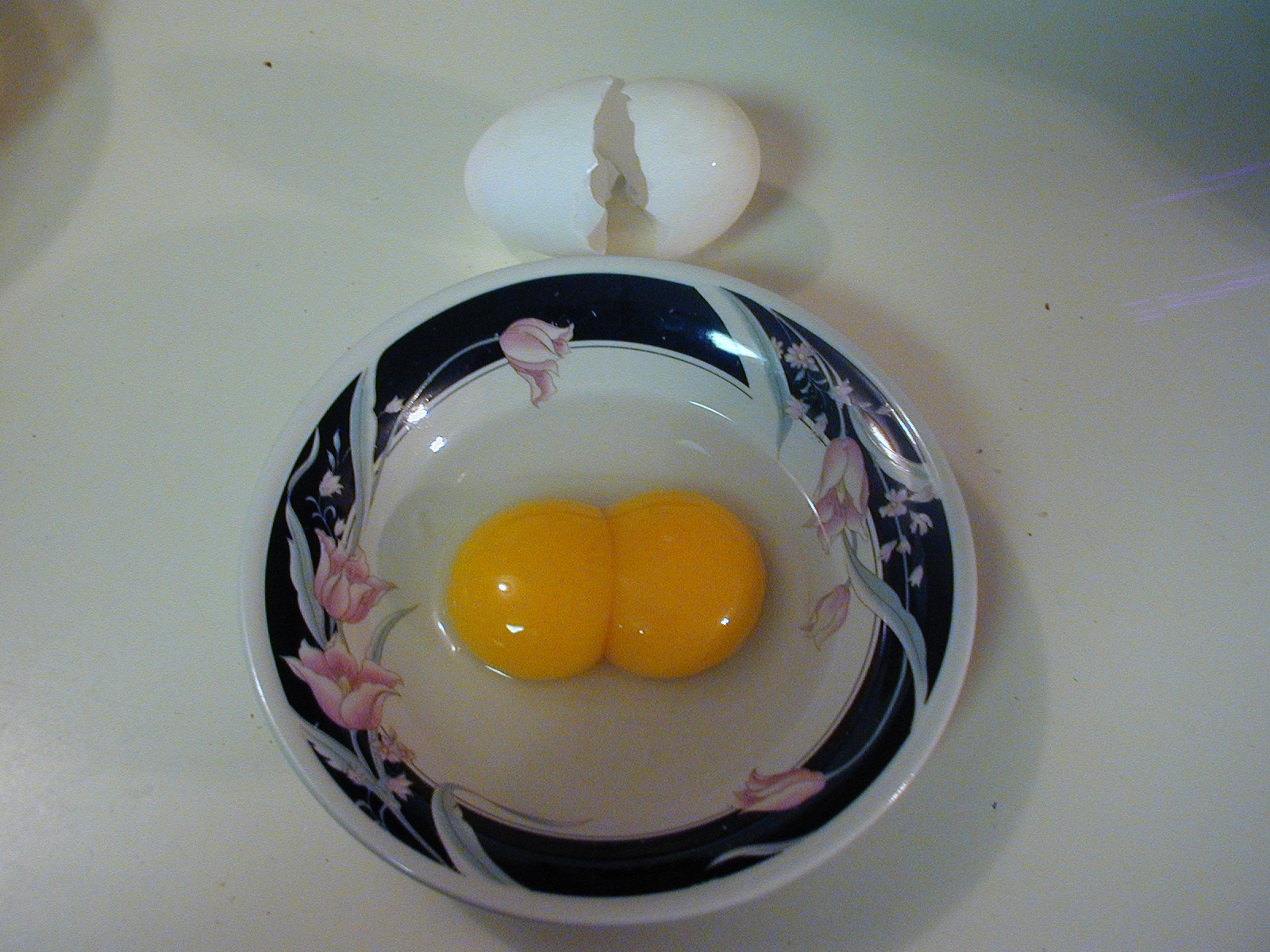
- Laying hens
should have a free choice source of oyster shells available at
your local grain store. Some stores carry a calcium chip in lieu
of oyster shells; this is fine too.
- Laying hens
should also be fed a ration of non-medicated laying feed mixed
in with their regular food. A 25%-50% mix is recommended as
needed. Try to keep non-layers and drakes from eating laying
formulas.
Drakes
Drakes tend to begin
misbehaving in February, when their hormones are on the rise. Drakes
are less apt to fight with one another when hens are not present,
although spats will still break out. Separations may become
necessary, and don’t be afraid to put up a fence between your drakes
when necessary. Feather plucking or raw areas behind the neck are
good signs that separations are in order. Drakes may need to be
separated from hens if they get too rambunctious.
Fighting tends to
decrease with the onset of summer heat, although it can continue all
the way through until September, when hormone levels begin to
decrease again. As drakes age, fighting tends to decrease between
them.
Egg Binding
If you see your hen’s
tail pumping up and down for a long period of time, open bill
panting, or if you see her walking or standing in an odd
penguin-like stance, she may be having trouble laying her egg.
If your hen is having
difficulties passing her egg put her in a lukewarm and private bath
and call your vet immediately. Your vet will administer a shot to
help her contractions along and they will also lubricate your duck’s
oviduct to help her get the egg out.
If this happens, you
want to re-examine your feeding rations. If the egg is rough,
misshapen or soft, you need to increase the ration of laying
formula. If the egg is normal, you may need to decrease your ration
of laying formula.
Many families have
found that hard boiling and chopping up their ducks healthy eggs and
feeding it back to them has cleared up their hen’s calcium
deficiencies. If your hen is having troubles laying, try this
strategy.
Some hens are more
genetically prone to this than others and you may need vet
intervention for a long term solution. Hormone shots are often
utilized, but be sure you understand all of the risks and side
effects. This should be reserved for the most extreme cases and
after all other options have been tried.
 The
Myth: A Duck's Quack Does Not Echo The
Myth: A Duck's Quack Does Not Echo
Many
duck-lovers missed the episode of
Discovery Channel’s Mythbusters
in which
Jamie and Adam borrowed two Pekin ducks to see if there is any truth
to the myth that a duck’s quack doesn’t echo.
Their first
hurdle was to get their duck to quack. When working with only one
duck they were frustrated that the duck was so silent. Upon
introducing a second duck, they went right to quacking. Apparently,
they just needed someone to talk to.
Working
outside, the team was not able to pick up an echo with their
equipment. They began to think the myth was true. They decided to
move the test to an anechoic chamber in a warehouse. This time they
were indeed able to detect a duck quack’s echo, disproving the myth.
A duck’s quack
does echo, but because the quack and the echo are so close in sound,
the echo just sounds like a continuation of the quack and is
practically indistinguishable. They declared the myth officially
BUSTED! A duck’s quack DOES echo!
The Mythbusters
may have busted the echo myth, but sadly, they did not realize that
a more detrimental duck myth was at hand. Adam and Jamie “rewarded”
the two Pekins who performed in the quacking tests by setting them
“free” on a river. The release perpetuated the myth that domestic
ducks belong and are happy in the wild.
|